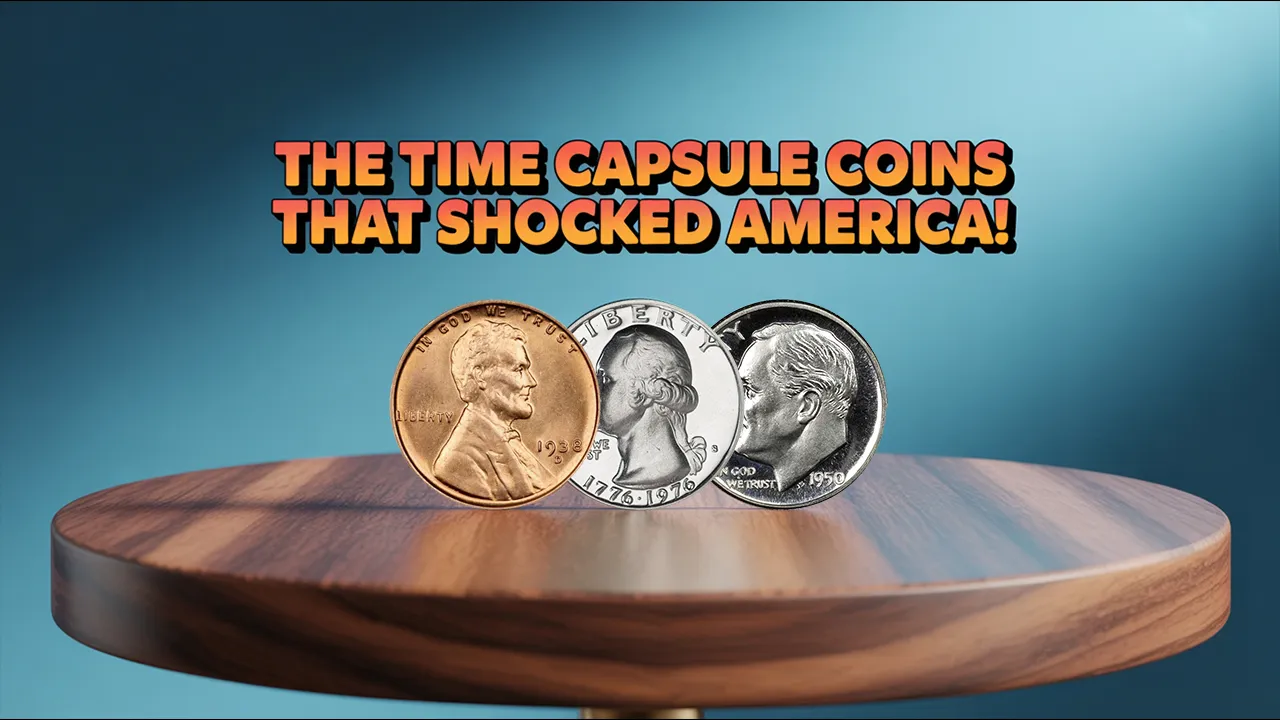
Silver is having one of its strongest years in recent memory, and the sudden jump in prices is drawing attention to a topic that usually stays in the background: silver coin melt value. Across the U.S., ordinary savers, collectors, and even people who simply keep a jar of coins at home are discovering that old silver coins may now be worth significantly more than they ever expected.
The rising trend has sparked renewed curiosity in what melt value means, how it is calculated, and why so many Americans are paying close attention to their pre-1965 coins again.
What “Silver Coin Melt Value” Means
Silver coin melt value refers to the pure metal value of the silver inside a coin, based on today’s market price of silver. It has nothing to do with rarity, design, age, or collector demand. It answers a simple question:
“If this coin were melted down and turned into raw silver, what would that silver be worth right now?”
To calculate this, you need:
- The coin’s weight
- The coin’s silver purity
- The current price of silver per troy ounce
This produces the melt value — a number that can rise or fall depending on market fluctuations.
Why Melt Value Is Trending in 2025
Silver prices have climbed sharply throughout 2025, driven by a mix of global factors. Higher industrial demand, increased interest from investors, and supply pressures have all contributed to the surge. As a result, melt values for common silver coins have jumped to their highest level in years.
The topic has gone viral among U.S. hobbyists, silver stackers, and everyday Americans who are suddenly realizing the forgotten coins in their home may now be worth far more than face value. Social media groups, online marketplaces, and coin forums are filled with discussions about melt calculators and updated silver charts.
The excitement is large enough that even people with no background in coin collecting are paying attention.
Common U.S. Coins With High Melt Value
Many Americans are surprised to learn how many older coins contain real silver. Some of the most commonly found coins with silver content include:
- Dimes, quarters, and half dollars minted in 1964 or earlier
- Kennedy half dollars from 1965 to 1970 (40% silver)
- Morgan and Peace silver dollars
- Several commemorative silver issues
These coins contain between 40% and 90% silver, depending on the year and denomination. Their melt value can be several times higher than their face value — and that gap increases when silver prices rise.
For example:
- A pre-1965 dime contains enough silver to give it a melt value several times higher than 10 cents.
- A pre-1965 quarter has a melt value that can exceed several dollars depending on the market.
- Pre-1965 half dollars often carry even stronger melt value due to their higher silver content.
As silver prices rise, these numbers increase, making older U.S. coins far more valuable than many people realize.
Junk Silver Returns to the Spotlight
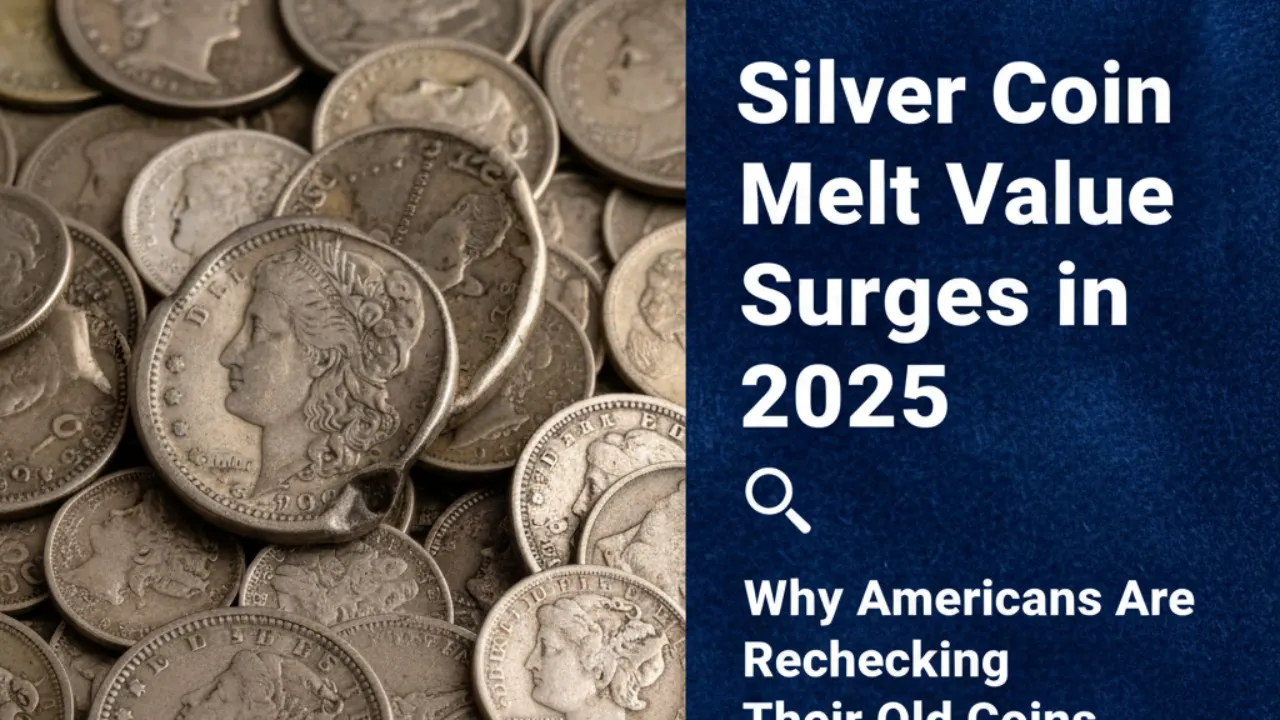
In coin-collecting circles, the term junk silver refers to pre-1965 coins that no longer have high collectible value but still contain real silver. These coins were once overlooked by many, but this year’s rally is changing that.
Bags of junk silver — made up of dimes, quarters, and half dollars — are selling at some of the strongest melt-based prices in years. What was once considered “spare change” is now treated as a potential savings asset, especially among younger collectors and small investors who prefer physical silver in low denominations.
The interest is strong enough that many coin shops are reporting increased foot traffic and more melt-value inquiries than usual.
Melt Value vs. Real Market Value
Although silver coin melt value is important, it does not tell the whole story. Many coins have numismatic value, which means their worth is higher due to rarity, condition, or demand among collectors.
For example:
- A 1964 dime with heavy wear may only be worth its melt value.
- But a rare mint-marked silver coin or a high-grade piece may be worth far more than the metal it contains.
Because of this, experts often warn against quickly selling or melting coins without checking their date, mint mark, and condition. Some coins that look ordinary can actually carry significant collector premiums.
Should Americans Sell Their Silver Coins Now?
With silver prices rising, some people wonder whether they should sell their silver coins or hold them longer. The decision depends on personal goals, since metal markets can be unpredictable.
A few basic considerations:
- Melt value changes daily.
- Rare coins should be appraised before selling.
- Market premiums may vary by dealer.
- Many people choose to keep silver coins as a long-term hedge.
For now, the key message is simple: old silver coins are more valuable than ever, and it might be a good time for Americans to take a second look at the coins sitting in their home.
FAQs on Silver Coin Melt Value
What is the difference between melt value and collector value?
Melt value reflects only the metal content. Collector value includes rarity, condition, and demand. A common worn coin may be worth only melt value, while a rare coin can be worth far more.
Which U.S. coins have the highest silver melt value?
Pre-1965 half dollars, Morgan dollars, and Peace dollars typically carry the highest melt value because they contain more silver by weight.
Does the melt value change every day?
Yes. Melt value rises and falls with the global price of silver, which can change multiple times per day during market trading.
Are modern U.S. coins made of silver?
No. Regular circulating dimes, quarters, and half dollars made today are composed of copper-nickel alloys and have no silver melt value.
Should I melt my old silver coins?
Most people do not melt coins themselves. Instead, they sell to coin shops or buyers. True melting is usually done only at large refining facilities.