Sometimes the most extraordinary discoveries happen in the most ordinary places. That is exactly what unfolded recently when a 1995 Star Note, tucked quietly between the pages of a wedding-gift Bible, turned into a story that captured the attention of collectors and everyday readers across the United States. What began as a simple moment of curiosity quickly became a conversation starter, a viral headline, and a reminder of how unexpected treasures still hide in plain sight.
The discovery has sparked renewed interest in older paper currency, especially replacement notes marked with a small star symbol — a feature that many people overlook. As the story spread, it highlighted how family heirlooms and sentimental gifts can sometimes carry surprises far beyond their intended meaning.
How the Rare 1995 Star Note Was Discovered
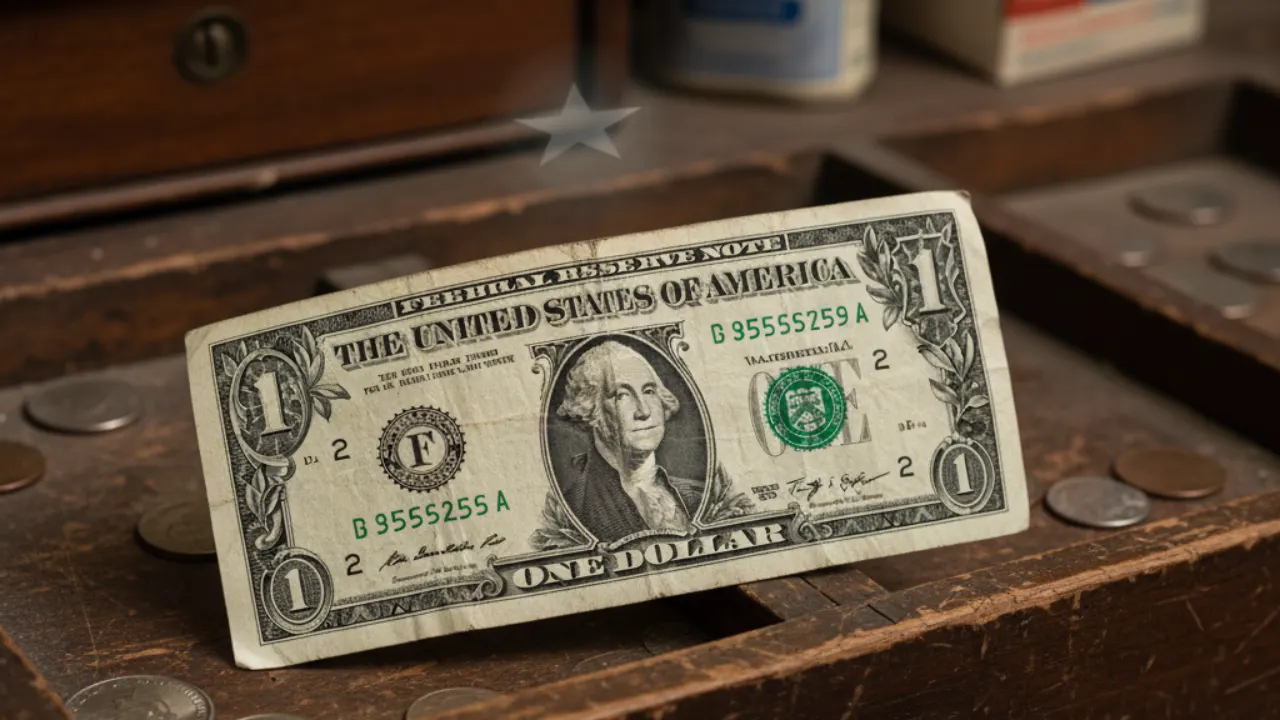
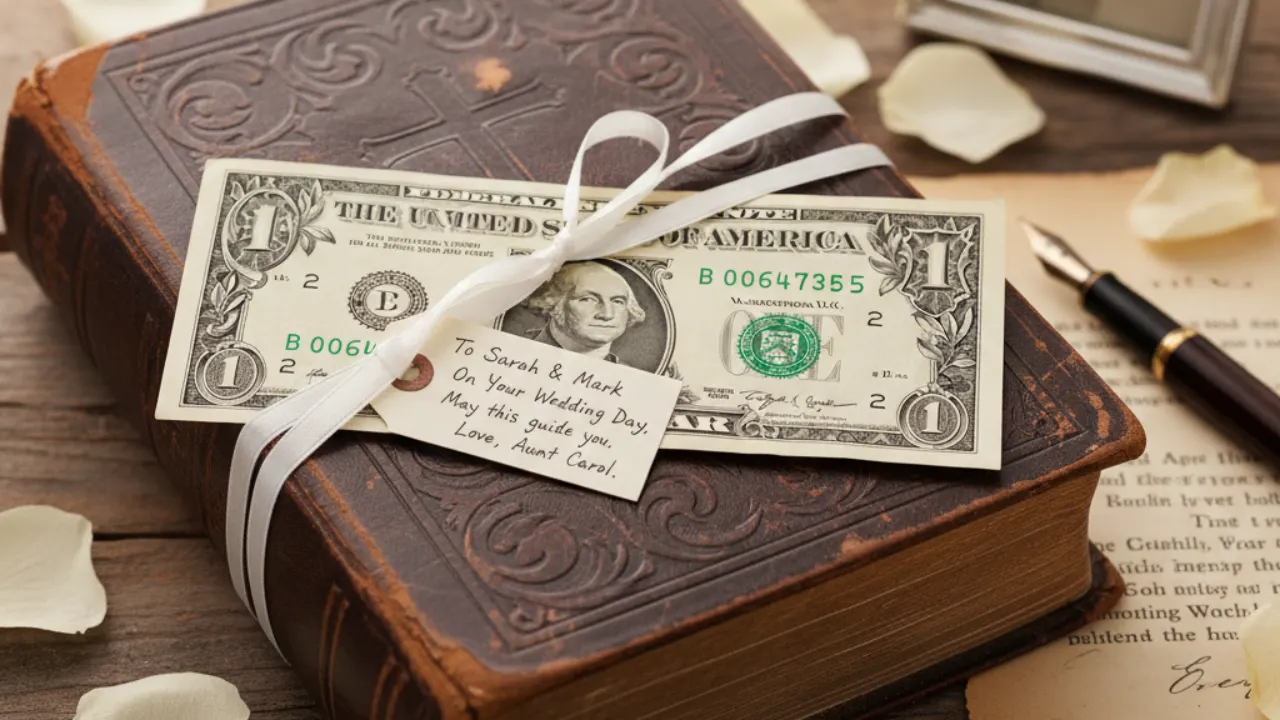
According to the family, the Bible had been a wedding gift passed down nearly three decades ago. It remained safely stored in a wooden cabinet, opened only during special occasions. Recently, while reorganizing the home, a family member flipped through its pages and noticed an old dollar bill folded neatly inside.
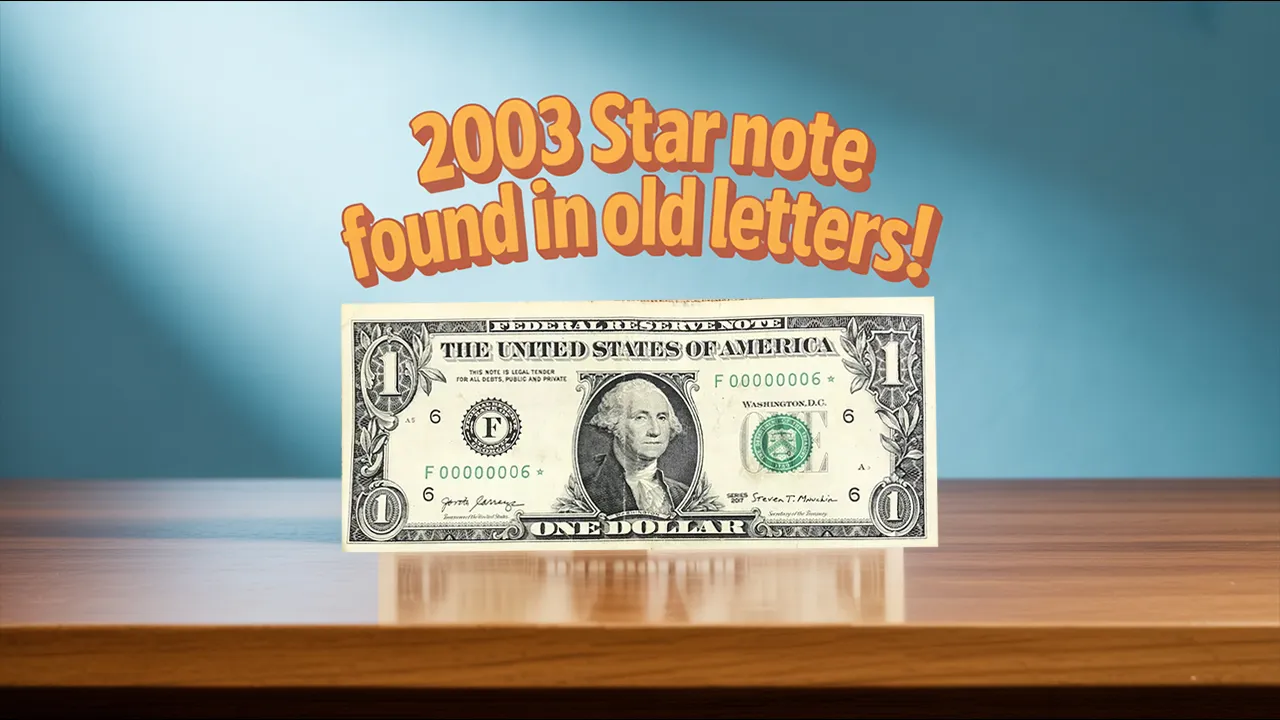
At first, it seemed like just another keepsake. But a closer look revealed the small star beside the serial number — a detail that immediately stood out. Star Notes are printed as replacements for misprinted or damaged bills, making them significantly rarer than regular notes. Curious, the family started learning more about this particular bill, and soon realized they had stumbled upon something far more valuable than a sentimental bookmark.
The fact that the note remained crisp, flat, and protected inside the Bible added to its appeal. Many collectors consider condition one of the most important factors in determining the desirability of a currency note.
Why Star Notes Spark So Much Interest
In the world of U.S. paper currency, Star Notes hold a special place. Because they are only printed when a damaged or defective bill needs to be replaced, their circulation numbers are much lower. That rarity helps boost their value among collectors, especially when the note belongs to an older series such as 1995.
Collectors have also noted that certain serial number ranges, printing facilities, and batch sizes can significantly impact the desirability of a Star Note. While not all of them achieve high valuations, the interest around this particular discovery shows how strongly Americans connect with stories of hidden value and unexpected finds.
How the Story Went Viral
Once the family shared their discovery with friends and online groups, the story quickly began gaining traction. People were curious — not just because of the note, but because of the setting. Finding a potentially valuable Star Note inside a Bible gifted at a wedding carried a symbolic weight that touched many readers.
Comments poured in from users who began checking their own old books, boxes, drawers, and keepsakes. Some even shared similar stories of discovering coins, military notes, silver certificates, and rare bills hidden by older relatives for “good luck.”
The viral nature of the story shows that Americans love narratives rooted in nostalgia, mystery, and personal history — especially when they include a surprising financial twist.
What Makes the 1995 Star Note Potentially Valuable
Although not every 1995 Star Note carries a high dollar value, certain factors can make them highly desirable:
1. Limited Replacement Print Runs
If the note came from a smaller production batch, its rarity increases.
2. Good Physical Condition
The Bible kept the note protected from moisture, light, and folding damage.
3. Nostalgic Appeal
Currency from the 1990s is now crossing into the “collectible age,” especially when tied to personal or emotional stories.
4. Rising Interest in Paper Money Collectibles
Many younger collectors are entering the hobby, increasing demand for older Star Notes.
Even though the exact valuation depends on expert assessment, similar notes in high-grade condition have fetched impressive prices in auctions and private sales.
A Story That Inspires People to Look Again
This discovery has encouraged many Americans to re-examine items stored in their homes for years. From old bookshelves to attic boxes, many people are realizing that everyday places might still contain forgotten currency with historical or collectible value.
The story serves as a reminder that the past often leaves clues behind — some sentimental, some surprising, and some that may be worth far more than expected.
Also Read:- 1988 Star Note Found at Church Bazaar Surprised Both Historians and Collectors
FAQs
1. What is a Star Note?
A Star Note is a replacement bill printed by the U.S. Bureau of Engraving and Printing to substitute for currency that was misprinted or damaged. These notes have a star symbol at the end of the serial number, making them rarer than standard notes.
2. Are all Star Notes valuable?
Not all Star Notes have high monetary value. Their worth depends on rarity, print run size, condition, and collector demand. However, they are always more collectible than regular notes.
3. Can Star Notes from the 1990s be valuable?
Yes. Notes from the 1990s are becoming more sought after, especially well-preserved ones from small replacement batches.
4. How can someone check the value of their Star Note?
Collectors can compare their note’s serial numbers with known print run data, consult online collector communities, or seek guidance from currency experts.
5. Where are Star Notes usually found?
They can appear in circulation, old collections, storage boxes, family Bibles, photo albums, and keepsake envelopes saved by older family members.