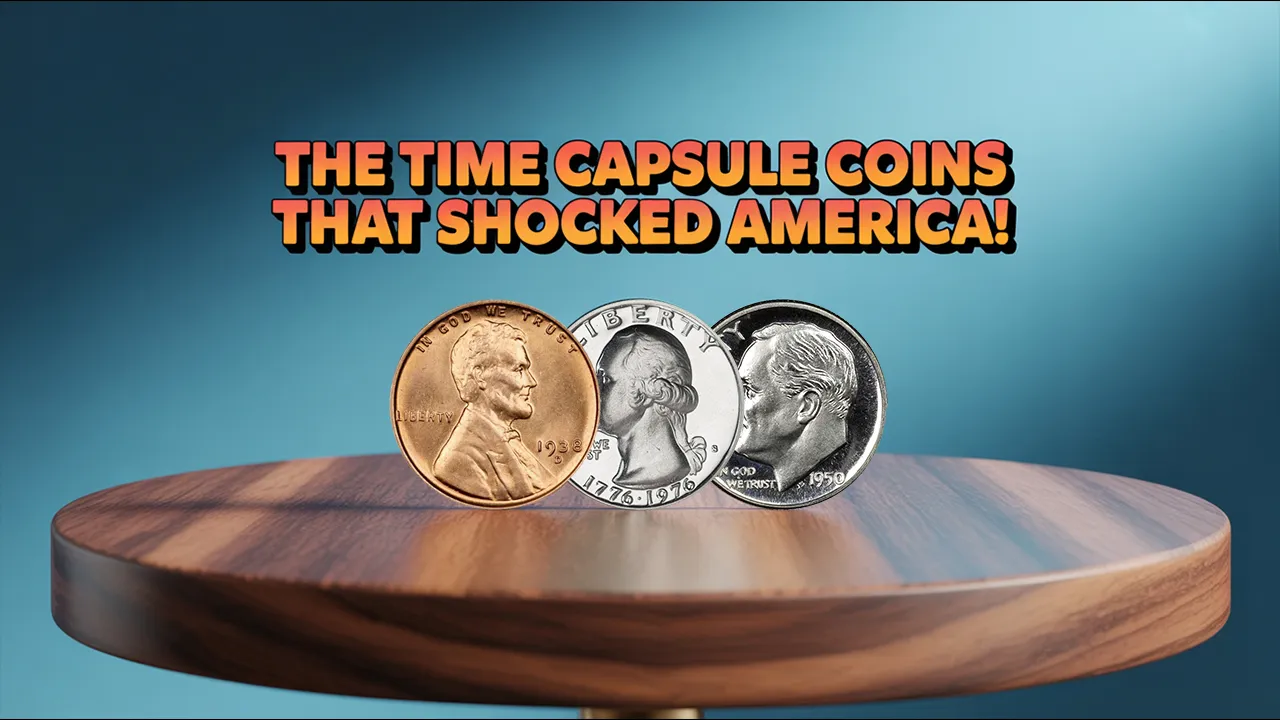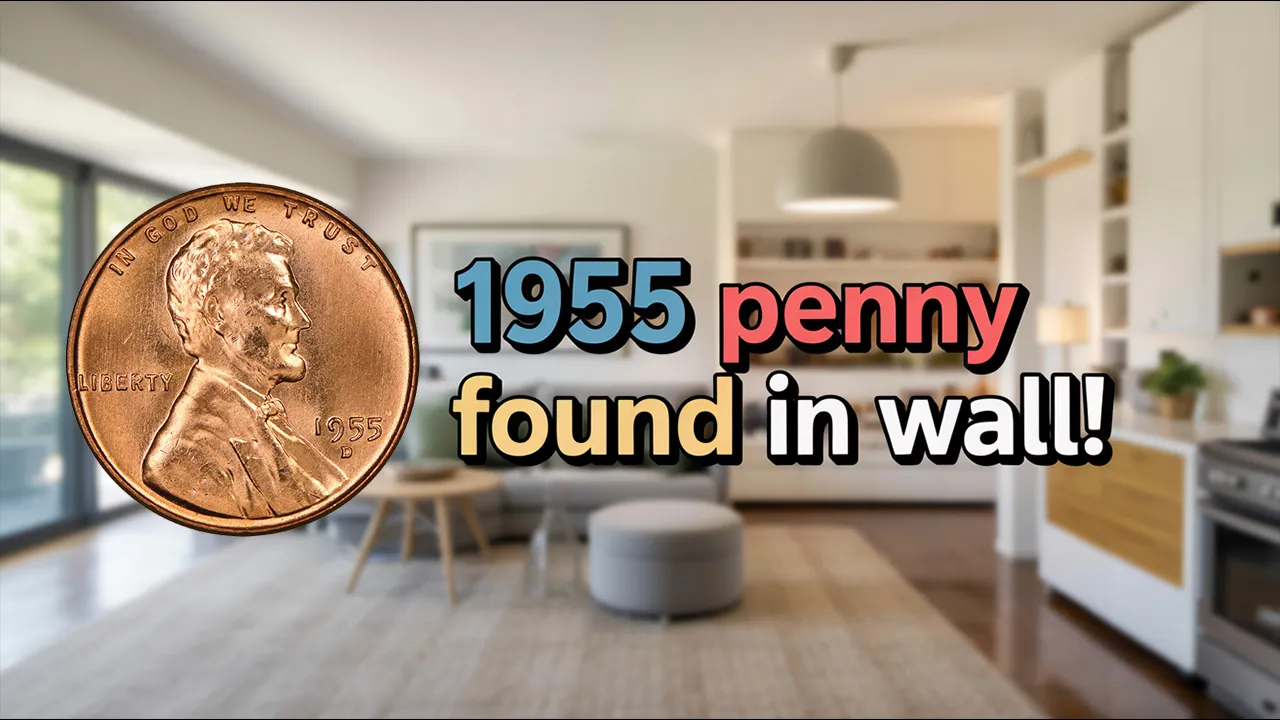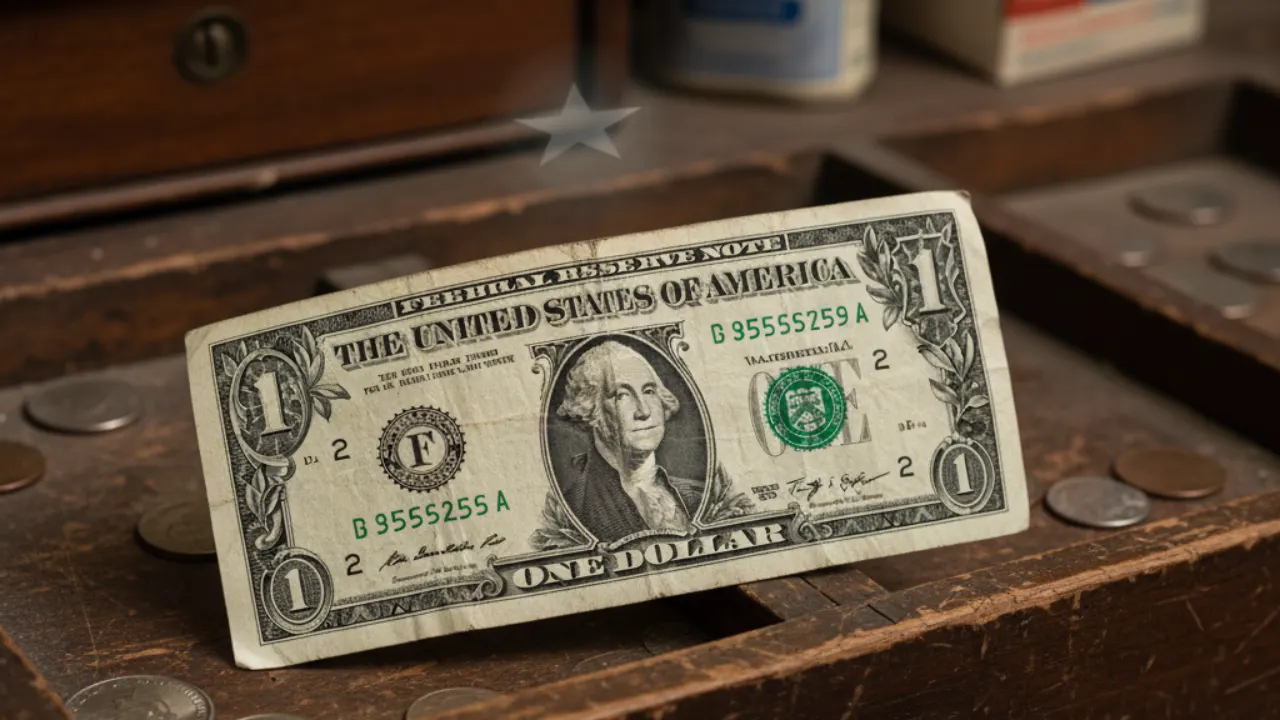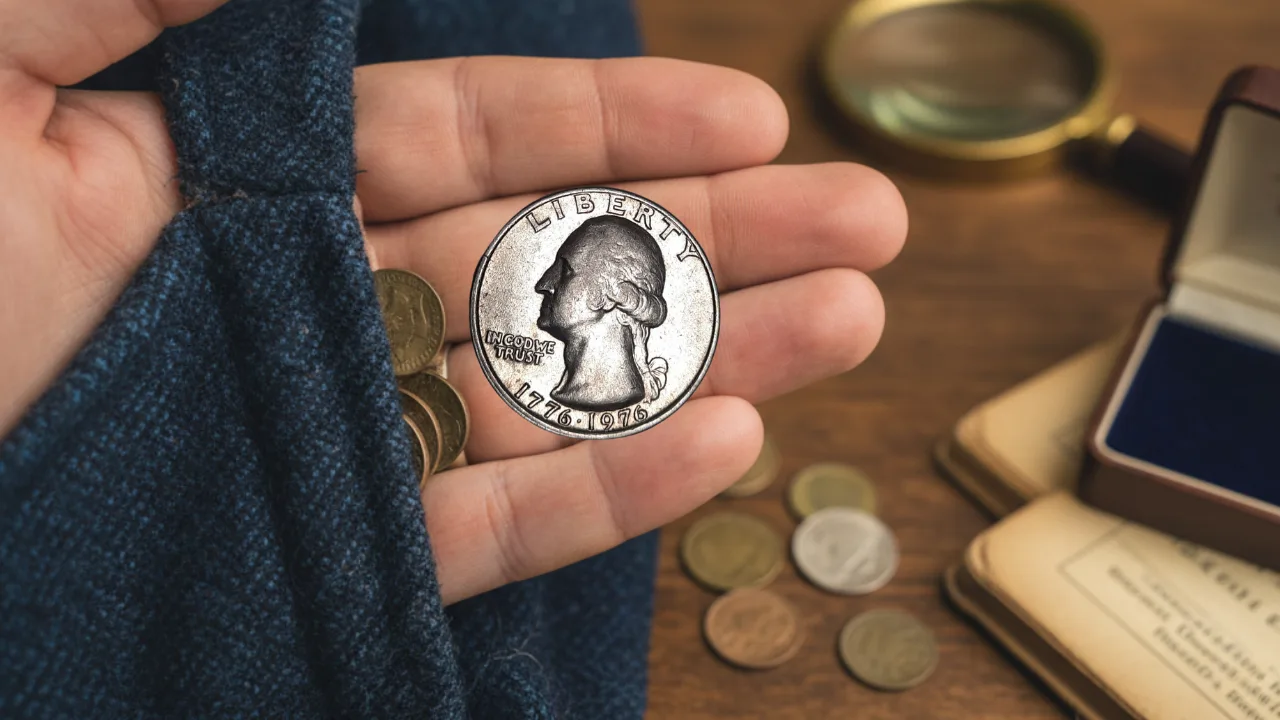
Sometimes the most unexpected stories begin in the most ordinary places. That is exactly what happened when a 1976 Bicentennial Quarter, casually sitting inside an old winter coat, suddenly turned into a surprising discovery. What started as a simple clean-up routine became a moment that coin collectors across the country found fascinating. The quarter, which had been forgotten for years, ended up being worth far more than anyone expected.
This incident became a popular topic online because the Bicentennial Quarter is one of the most recognizable U.S. commemorative coins. Yet, few people realize that certain versions of this coin can hold remarkable value—especially if they carry rare features, minting anomalies, or remain in exceptional condition.
The Unexpected Find Inside an Old Coat Pocket
The surprising discovery happened when the coat’s owner decided to donate some old clothes after a spring cleaning session. Before dropping them off, they checked the pockets one last time—and that’s when the quarter appeared. At first glance, it looked like a regular Bicentennial Quarter, the same kind many Americans have handled for decades.
But a closer look revealed something different. The coin had unusual luster and barely any wear. The date “1776–1976” and the iconic drummer boy reverse design were sharp and clean, almost untouched by time. Curious, the owner decided to learn more about its potential value.
What followed was a chain of events that turned a simple pocket find into a story of unexpected worth.
Why Some Bicentennial Quarters Are Worth More
The U.S. Mint produced hundreds of millions of Bicentennial Quarters in 1975 and 1976. Because of this high mintage, most examples still hold only face value. However, a small number of these coins fall into categories that make them significantly more valuable.
Key factors that increase value include:
• Special Mint Sets (SMS) and Proof strikes — Coins struck with extra detail and mirror-like surfaces are more desirable.
• Silver composition versions — Certain quarters from 1976 were minted in 40% silver, making them more valuable.
• Rare errors and misstrikes — Double dies, off-center strikes, and other minting mistakes can dramatically raise a coin’s price.
• Exceptional condition — Quarters graded at the highest levels can command impressive premiums.
The coin found in the coat pocket turned out to be one of these high-grade examples. It had been preserved so well that experts later described it as “nearly untouched,” which significantly increased its market value.
How Much Was the Coat-Pocket Quarter Worth?
While the exact value may vary depending on grading services and market conditions, high-grade Bicentennial Quarters—especially those with sharp details and original luster—can sell for hundreds or even thousands of dollars at auctions or to collectors.
The owner, who originally thought it was just a regular 25-cent piece, was stunned to learn its true potential worth. It was a reminder that ordinary-looking coins sometimes carry extraordinary stories.
Why the Bicentennial Quarter Continues to Capture Attention
The year 1976 marked 200 years of American independence, and the quarter’s special design featuring the Colonial drummer remains iconic. The strong patriotic symbolism, combined with the possibility of rare variants, keeps this coin in constant discussion among collectors and enthusiasts.
Over time, stories like this inspire many people to recheck their coin jars, desk drawers, and coat pockets. The idea that something as small as a quarter could be worth far more than expected adds an element of excitement to everyday life.
Should You Check Your Own Change?
Yes—because coins like the Bicentennial Quarter often blend into everyday circulation. While most still hold only face value, the rare and high-grade examples can surprise even seasoned collectors.
People throughout the U.S. have started revisiting their old collections, inherited boxes, or forgotten pockets just to make sure they are not overlooking a valuable piece of American history.
Also Read:- A 1976 Bicentennial Quarter Found in a Dad’s Old Toolbox Became a Family Treasure
FAQs
1. Are all Bicentennial Quarters valuable?
No. Most Bicentennial Quarters are common and worth only 25 cents. Only special strikes, silver versions, high-grade examples, or coins with rare errors hold higher value.
2. How can I know if my Bicentennial Quarter is valuable?
Check for silver composition, sharp details, proof-like surfaces, or unusual minting errors. Getting the coin graded by a professional service can help determine its true worth.
3. Can Bicentennial Quarters still be found in circulation?
Yes. Many are still in circulation today, which means rare ones occasionally appear in everyday pocket change.
4. What makes the silver Bicentennial Quarter different?
Silver versions were sold in special sets and contain 40% silver, giving them higher collectible and bullion value compared to the regular clad versions.
5. Should I clean my old coins before selling them?
No. Cleaning coins can damage their surfaces and reduce their value. Always keep them in their original condition.