In many American households, old storage boxes quietly hold forgotten memories—letters, postcards, and handwritten notes that once carried family stories. But recently, one such box sparked a nationwide conversation after a 2003 Star Note was unexpectedly found tucked between aging envelopes. What began as a simple act of sorting old family correspondence soon grew into a viral discussion across social media platforms, bringing attention back to the world of rare currency finds.
A Simple Cleaning Day Led to a Surprising Find
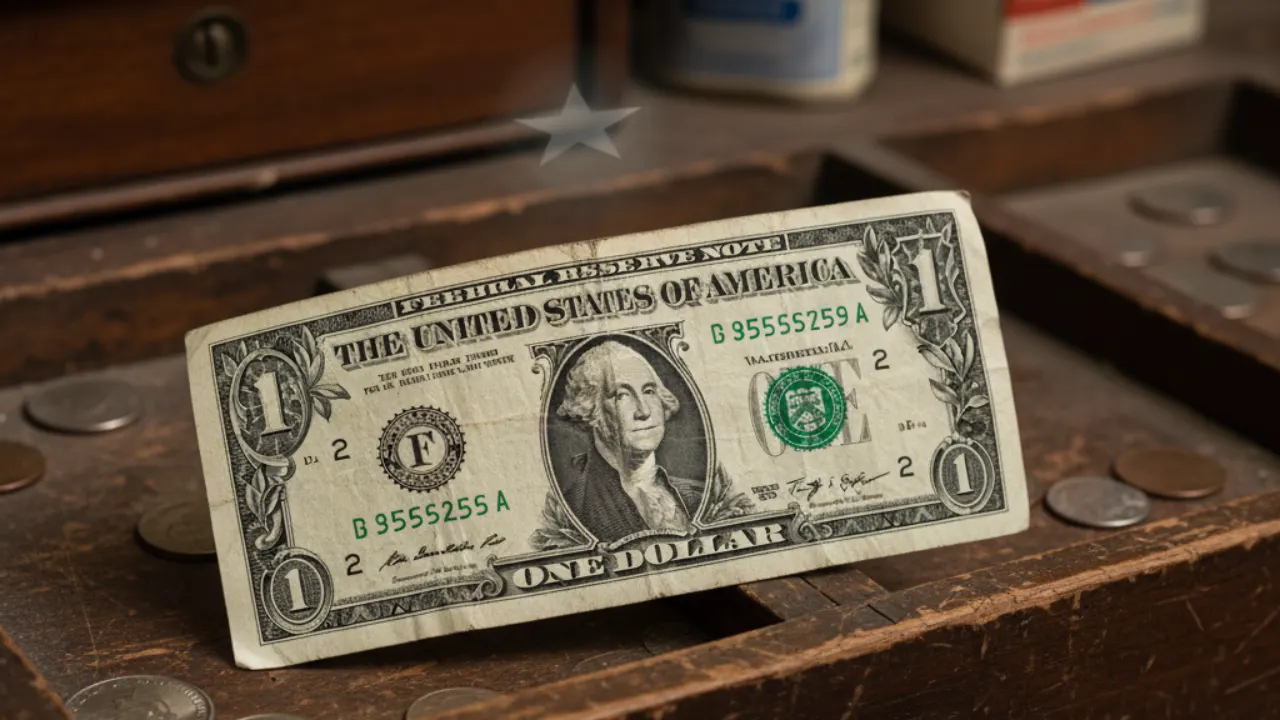
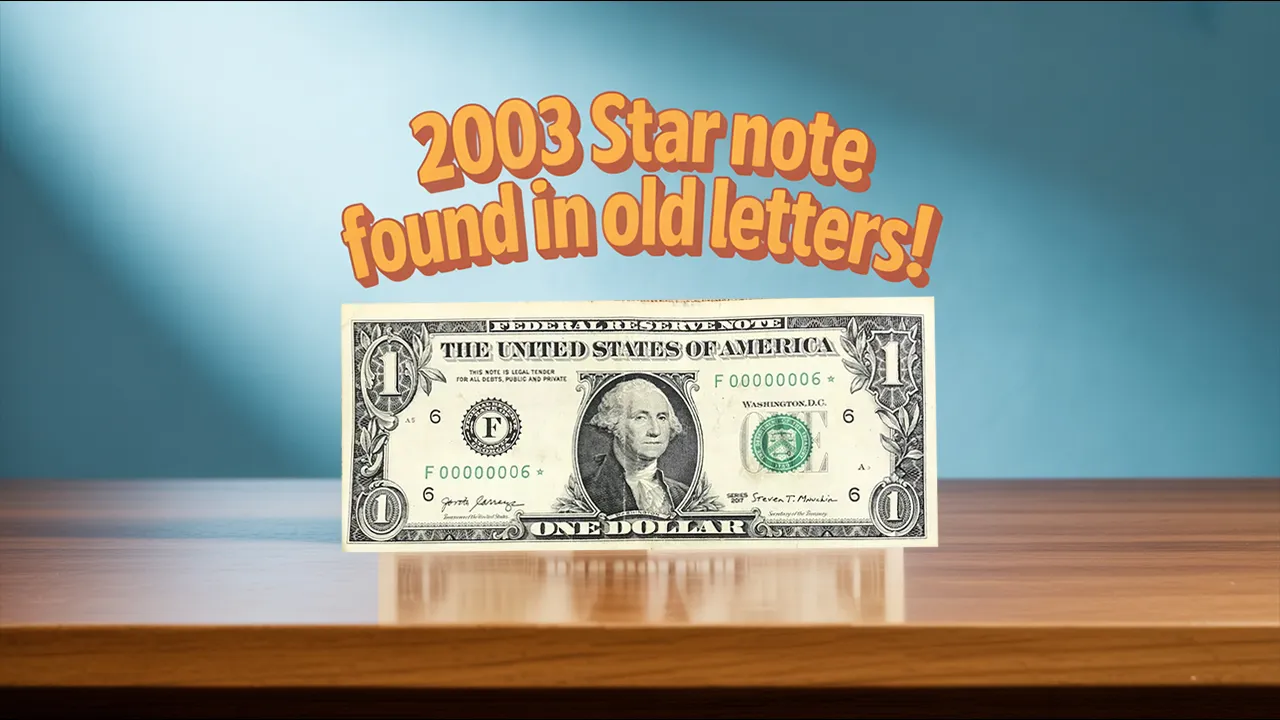
The discovery happened when a family in the Midwest began clearing out a set of unopened boxes stored in their attic for nearly two decades. Most of the belongings inside were personal—birthday notes, invitations, and family letters. But one envelope held something unusual: a crisp 2003 $1 bill with a star at the end of its serial number.
At first, the family did not recognize what the star symbol represented. They assumed it was simply an older note with a printing mark. It was only when the photo of the bill was shared in a family chat group that someone pointed out the significance of a “star note.” Within hours, the image reached social media, where collectors and currency enthusiasts began discussing its potential rarity and the surprising value such notes can carry.
Why Star Notes Capture So Much Attention
In U.S. currency, a star replacing one digit in the serial number signals something special: the bill is part of a replacement run. These notes are printed when an error occurs during the production of a regular batch. Instead of reprinting the entire sheet, the Bureau of Engraving and Printing issues a limited number of replacement bills marked with a star.
Because the quantity is smaller, star notes often become collectible, especially if they belong to a low print run, rare series year, or feature unique serial patterns. The 2003 series is not the rarest, but certain runs within this series have been known to attract collector interest due to limited production numbers.
How the Note Became a Viral Story
The viral moment happened when a currency collector commented that certain 2003 star notes—depending on condition, run size, and serial number—can sometimes sell for more than their face value. A simple curiosity turned into a social media debate, with thousands of people checking drawers, wallets, and family albums in search of star notes they might have overlooked.
The story spread quickly because it connected with something relatable: the idea that everyday objects could carry hidden history or surprising value. Photos of personal finds flooded comment sections, creating a trend where users proudly showcased old bills from the early 2000s and 1990s.
What Makes a Star Note Potentially Valuable?
Experts highlight a few factors that usually influence collector interest:
The first is the size of the print run. Smaller runs generally increase value because fewer star notes exist. The second is condition. A note in crisp, uncirculated condition stands a better chance of attracting collectors. The third is the serial pattern. Repeating numbers, ladders, low numbers, or unique combinations often become more desirable.
The note discovered in the letter box reportedly remained in excellent condition because it had been stored away from handling and sunlight. While not every 2003 star note is considered rare, finding one preserved for more than 20 years carries a certain charm—especially when linked to a nostalgic family moment.
The Human Story Behind the Find
What truly drove the virality was not just the note itself but the way the discovery unfolded. The idea that something forgotten inside a box of handwritten letters could spark national interest created a sense of excitement and curiosity. Many viewers said the story reminded them of the emotional value stored within old family belongings—things that often sit untouched for years.
The family who found the note said they planned to keep it rather than sell it, mainly because it now represented a moment of connection between generations. In a world where most things feel digital and fast, the story brought a rare sense of nostalgia.
A Trend That Encouraged People to Look Closer
Since the story went viral, more people across the U.S. have started to pay closer attention to the bills they receive in change. Currency experts say this renewed public curiosity is good for preserving the history of U.S. paper money. It also encourages people to recognize that small everyday objects can carry unexpected stories.
Also Read:- Silver Coin Melt Value Surges in 2025 — Why Americans Are Rechecking Their Old Coins
FAQs
What is a star note?
A star note is a replacement bill printed by the Bureau of Engraving and Printing when an error is found in a sheet of currency. It has a star symbol at the end of the serial number.
Are 2003 star notes valuable?
Some 2003 star notes can be collectible depending on print run size, condition, and special serial numbers. Not all are rare, but certain combinations can attract interest.
How can I check if my bill is a star note?
Look at the serial number. If there is a star in place of the last digit, it is a star note.
Where can people learn more about their bills?
Collectors often use online currency databases, bill-checking tools, and community forums to compare note rarity and print run information.
Should old star notes be kept or sold?
This depends on personal preference. Some people keep them for sentimental reasons, while others choose to sell if the note has collectible value.