Sometimes the most surprising discoveries happen in the most ordinary places. That is exactly what unfolded when a young coin enthusiast from the Midwest found a 1992 Lincoln Close AM Cent in his pocket change—an error coin so rare that collectors often spend years searching for it. The unexpected find quickly turned into a viral story across online groups and numismatic communities, reminding everyone that valuable coins still circulate quietly inside everyday pockets.
The teen, who had recently begun learning about U.S. coins, had no idea that one simple glance at the reverse design of a penny could change the course of his hobby. What started as a normal day became a moment of excitement and disbelief.
How a Teen Collector Stumbled Upon a Rare Close AM Variety
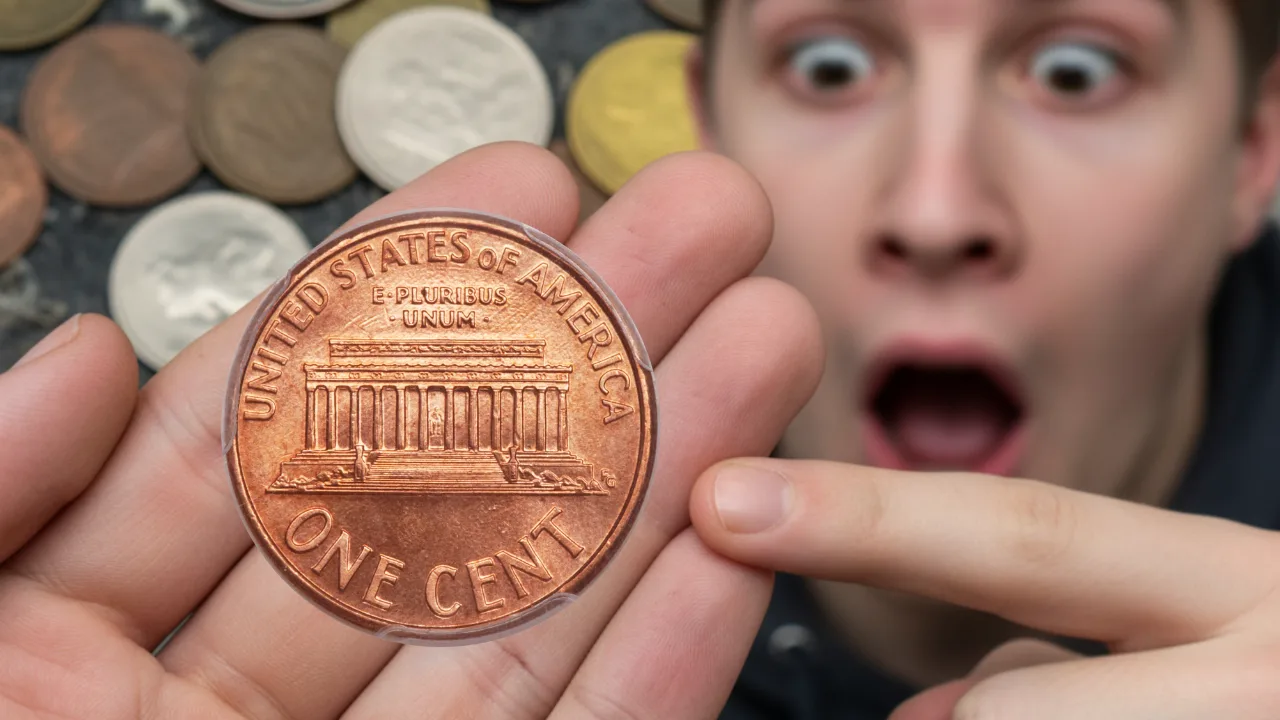
According to the teen’s account shared in online forums, the discovery happened casually during a school lunch break. While paying for a snack, he received a handful of change that included a worn 1992 Lincoln cent. As a new collector, he often checked his coins for interesting details. When he flipped the cent over, something about the spacing of the letters caught his eye.
The distance between the “A” and “M” in “AMERICA” looked unusually close—a feature that is normally seen on proof coins or special varieties, not standard pocket change. Curious, he compared it with a regular penny and noticed the difference immediately.
That small detail was enough to spark a wave of excitement. He rushed home, checked online references, and realized he may have found one of the most sought-after modern Lincoln cent varieties.
Why the 1992 Close AM Cent Is So Rare
The rarity of the 1992 Close AM lies in a minting mix-up. In 1992, the U.S. Mint used two types of reverse designs:
- Wide AM (normal circulation version)
- Close AM (intended for proof coins)
A tiny number of circulation coins accidentally received the proof-style Close AM reverse, creating one of the most recognizable modern varieties. Experts estimate that only a small fraction survived in circulation, making genuine finds extremely unusual.
Collectors have been searching for these coins for years because they combine error history with low survival numbers—two features that drive strong interest in the hobby.
The Online Buzz After the Teen Shared His Discovery
When the teen collector shared a clear photo online, the reaction was immediate. Seasoned collectors were stunned. Many commented that they had checked thousands of pennies over the years but had never found one.
Within hours, the post became viral on several hobby pages, sparking renewed interest in checking pocket change. Some users dug through old jars, while others shared stories of coins they wish they had saved.
The teen remained calm but excited, describing the find as “pure luck” and admitting he had only been collecting for a few months. The simplicity of the moment—finding a rare variety in a snack-time transaction—made the story even more compelling.
How to Identify a 1992 Close AM Lincoln Cent
For readers hoping to check their own change, the main identifying point is simple:
- Turn the coin to the reverse side.
- Look at the word AMERICA.
- If the A and M nearly touch, it is the Close AM variety.
- If there is a clear space between them, it is the normal Wide AM.
Collectors also check other small markers like the shape of the designer initials, but the spacing of “A” and “M” is the fastest clue.
Even worn coins can still show this detail, making circulation finds possible—although rare.
Why This Story Matters for Everyday Americans
Stories like this remind people across the United States that modern coins still hold surprises. Not every valuable piece sits in a museum or auction room. Some pass through grocery store registers, vending machines, parking meters, or even a school cafeteria line.
The excitement created by this teen’s discovery has encouraged many families and young collectors to pay closer attention to their change. At a time when hobbies often shift toward digital screens, the idea that a small copper-plated coin can spark real curiosity feels refreshing.
FAQs
What makes the 1992 Close AM cent special?
It features the proof-style “Close AM” reverse design, which was mistakenly used on a small number of circulation coins. Very few are known to exist.
Can regular pocket change still contain rare Lincoln cents?
Yes. Rare varieties and error coins sometimes remain in circulation for decades, especially lower-value coins like pennies.
How can I check if my 1992 penny is a Close AM?
Examine the reverse. Look closely at the letters “A” and “M” in “AMERICA.” If they are nearly touching, it may be the Close AM variety.
Does condition matter for these coins?
Yes. Higher-grade examples are more desirable, but even circulated Close AM cents attract strong collector interest due to rarity.
Are there other years with Close AM or Wide AM varieties?
Yes. Some varieties exist from 1998 to 2000, along with a few transitional years, but the 1992 Close AM is among the rarest.