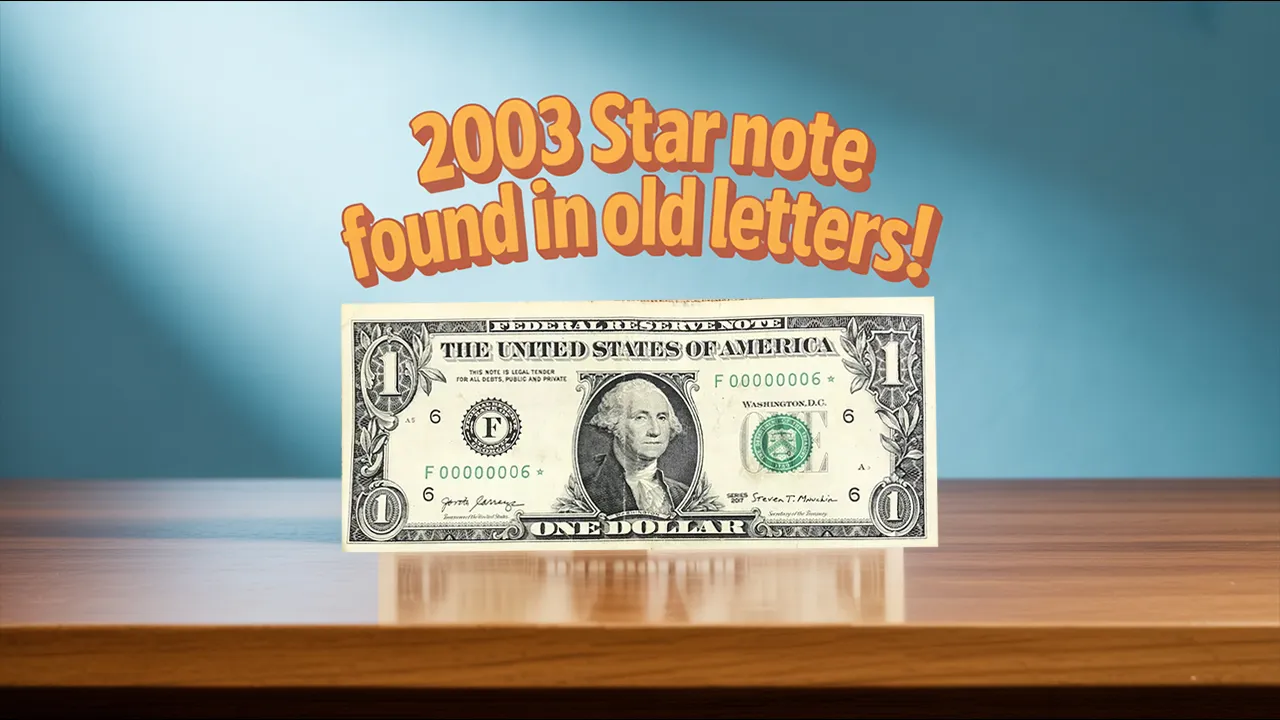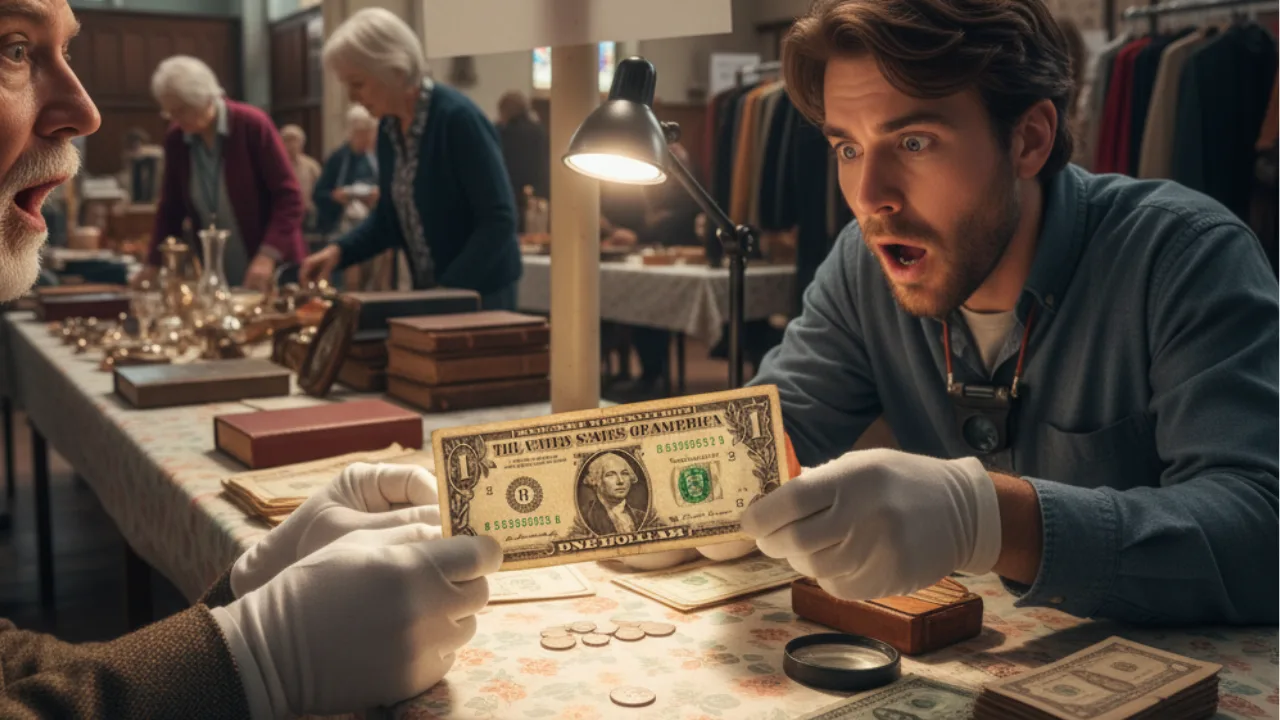
In a small church bazaar in the Midwest, a simple donation box turned into the center of an unexpected discovery. A volunteer sorting through old bills and coins found a 1988 Star Note, a type of replacement note that is usually printed in very limited quantities. Within hours, the finding stirred excitement among currency enthusiasts, and soon the story started circulating across social media groups dedicated to collectible U.S. banknotes.
While most people walked past the booth without noticing anything unusual, the note’s discovery opened a new conversation about how rare currency can quietly sit in everyday places, waiting for the right moment to be noticed.
How the Discovery Happened
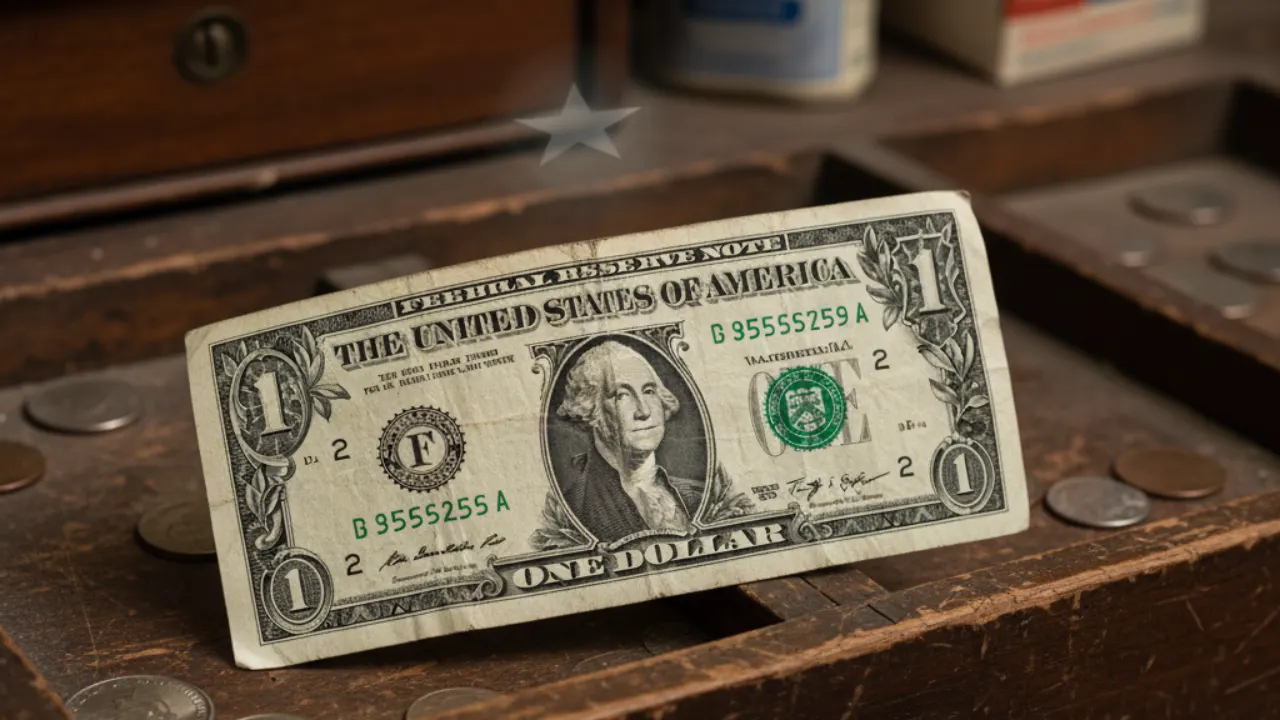
The church bazaar was part of an annual community event that attracts local families, weekend shoppers, and antique hunters. During the cleanup session, a young volunteer was sorting small cash donations when she noticed a faded bill with a small star printed beside the serial number. Unsure about its meaning, she showed it to another member of the team, who immediately realized they were holding something potentially significant.
Star Notes are printed by the U.S. Bureau of Engraving and Printing as replacements for misprinted or damaged notes. Because they are produced in lower quantities compared to regular notes, many collectors consider them valuable, especially when they are older or belong to uncommon printing batches.
This particular find, a 1988 Federal Reserve Note with a replacement star, came from a time period when currency production was transitioning through several design and security changes. That alone made the note interesting enough for collectors.
Why a 1988 Star Note Is Special
Although not every Star Note is worth thousands, certain years and print runs hold more importance. Notes from the late 1980s fall into a unique historical window—just before the major redesigns of the 1990s. As a result, the survival rate of crisp, clean notes from that era is lower. Many were used heavily in circulation before being destroyed.
Historians say the note also reflects a period of U.S. economic change. In 1988, the government was dealing with inflation concerns, stock market aftereffects from the 1987 crash, and shifts in printing policy. Replacement notes from that period highlight how carefully the Bureau monitored printing quality.
Collectors, on the other hand, focus on rarity. If the note came from a smaller print run, it could carry strong collector interest, even in circulated condition. What made this particular discovery more surprising was the fact that it surfaced in a donation box rather than an attic, estate sale, or private collection.
The Community Reaction
The church organizers shared the story with their local newspaper, and from there the news spread quickly through collector forums. Many users commented that rare notes often appear in unexpected places—old wallets, thrift store cash drawers, inherited envelopes, or community fundraisers.
Some even praised the volunteer for noticing the star symbol, which is often overlooked. Others shared their own stories of finding rare notes in everyday situations, adding to the excitement around the bazaar discovery.
While the church has not decided what to do with the note, they mentioned it would likely be kept safely until experts study it further. Some collectors have already offered guidance online, explaining that grading the note professionally could help determine its value.
Why Stories Like This Go Viral
Currency discoveries tend to spread fast because they combine history, luck, and curiosity. People enjoy learning that rare items—sometimes worth far more than their printed value—can appear in the most ordinary environments. It also inspires others to check their own wallets, cash drawers, and donation boxes a little more carefully.
This particular 1988 Star Note story continues to gain traction because it blends community charm with the thrill of uncovering hidden value. For many readers, it serves as a reminder that small details—like a tiny star on a bill—can hold big stories.
Also Read:- A Susan B. Anthony Dollar Found in an Antique Bookstore Donation Box Became a Viral Mystery
FAQs
What exactly is a Star Note?
A Star Note is a replacement bill printed by the U.S. Bureau of Engraving and Printing when regular notes are damaged or misprinted. Instead of repeating the original serial number, the replacement note includes a star symbol.
Are all 1988 Star Notes valuable?
Not necessarily. Value depends on the print run, condition, and demand among collectors. Some notes from smaller runs can attract strong interest.
How can someone check if their bill is a Star Note?
Look at the end of the bill’s serial number. If you see a star (*), it is a replacement note.
Can a circulated Star Note still have value?
Yes. Even circulated notes can be collectible if they are from rare print runs or older series.
What should someone do if they find a Star Note?
Keep it safe, avoid folding it further, and consider having it examined by a currency grading service for an accurate evaluation.