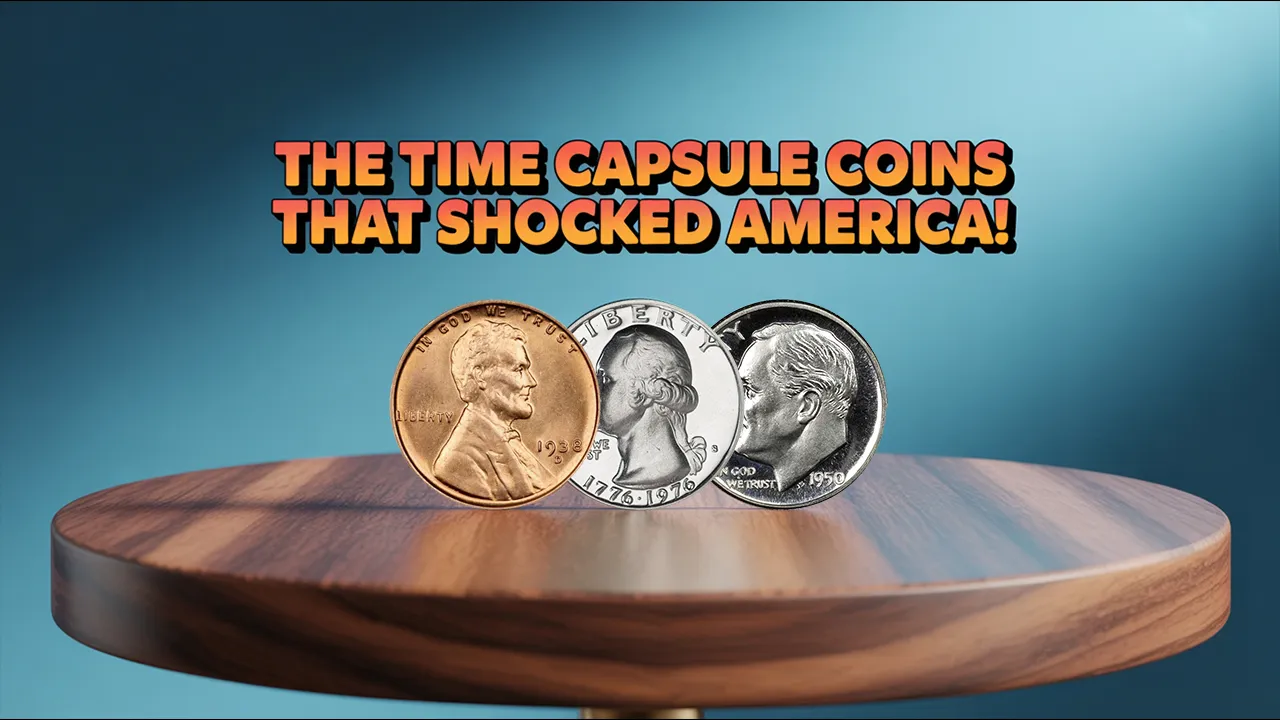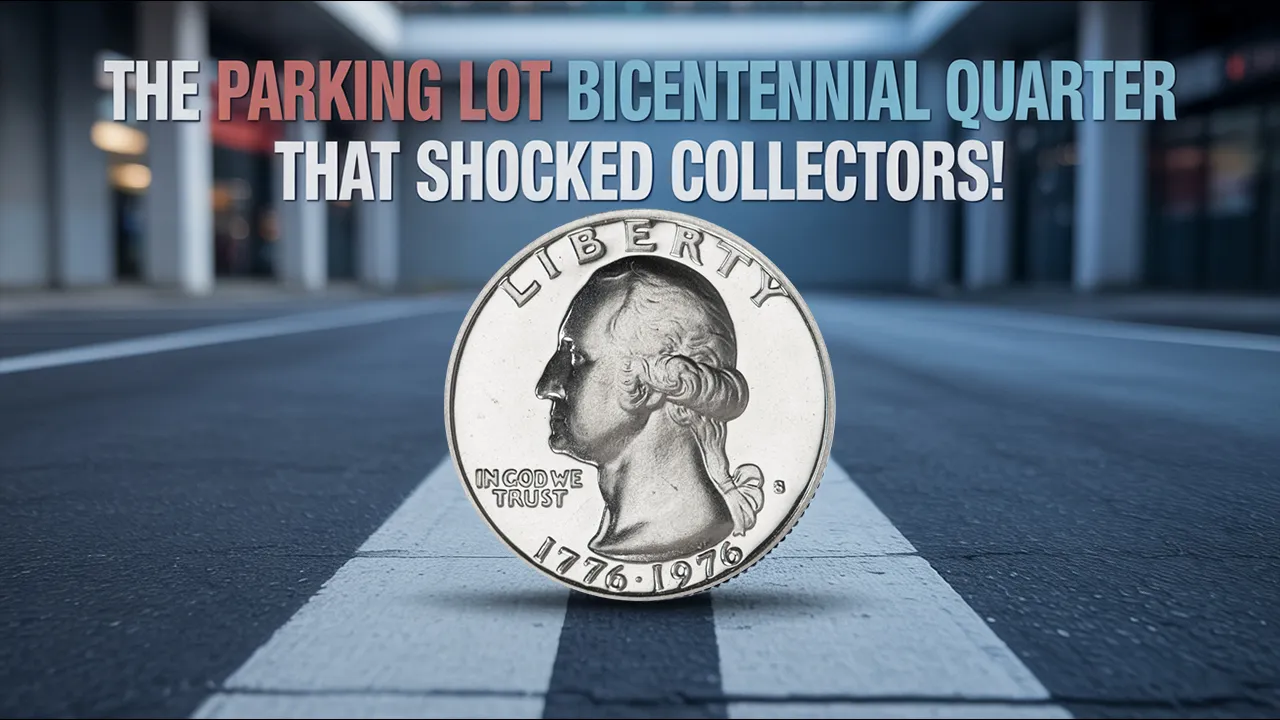
Coins appear in the unlikeliest places, but every now and then, a simple discovery creates a story that captures nationwide attention. Something similar happened when a man in the U.S. spotted a worn-out 1976 Bicentennial Quarter lying near a parking lot curb—an ordinary moment that unexpectedly turned into a moment of lifelong excitement for a coin collector.
The Bicentennial Quarter, issued to mark America’s 200th year of independence, has always been popular among collectors. But this particular coin, found accidentally during an everyday errand, ended up becoming more than just loose change. It became a story of luck, curiosity, and the hidden surprises still circulating today.
The Unexpected Discovery in a Parking Lot
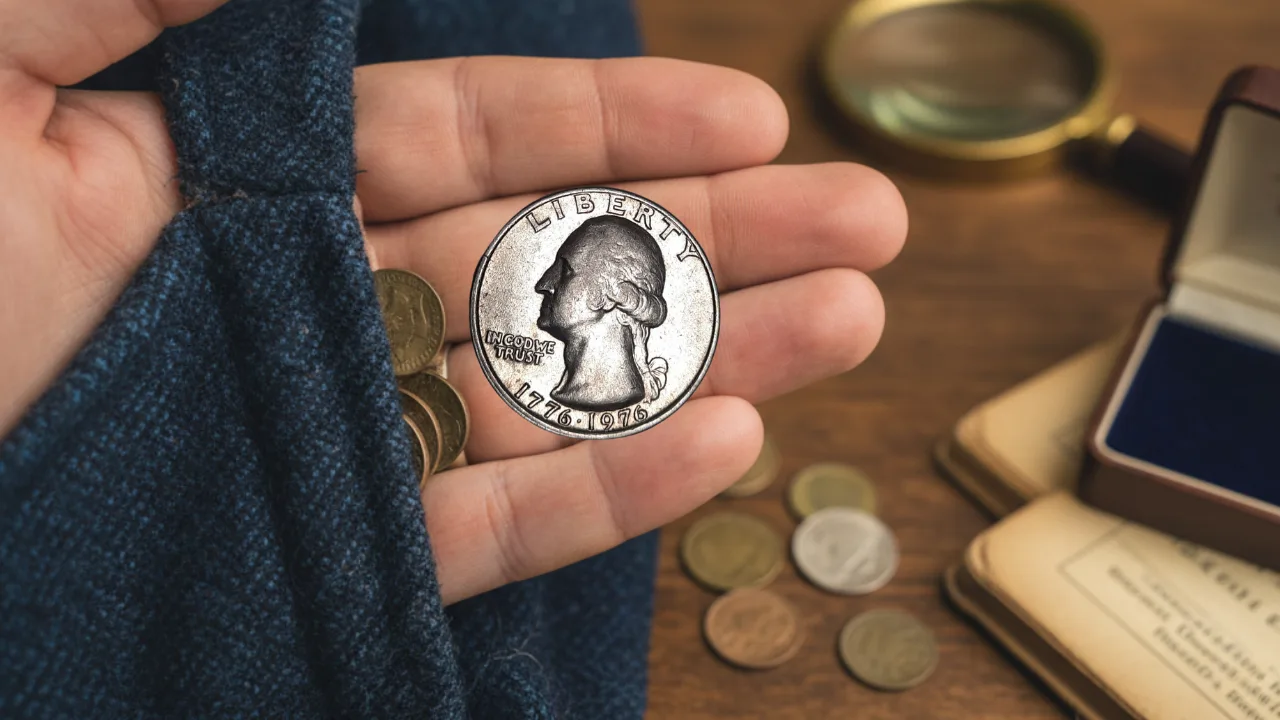
The collector, who had no plans of hunting for coins that day, noticed a slightly dull quarter half-buried under dried leaves in a busy parking lot. What caught his attention was not the shine but the date—1776–1976, the hallmark of Bicentennial coinage.
He picked it up out of habit, wiped off the dirt, and slipped it into his pocket. Later that evening, he took a closer look and realized the coin’s features seemed unique. The strike was bold, the details unusually sharp, and something about the weight felt slightly different. This curiosity led him to examine it under better lighting—and that’s when the story took a turn.
Why Bicentennial Quarters Still Excite Collectors
Bicentennial Quarters were minted in massive numbers, which means most of them still hold regular face value. However, certain versions—especially silver-clad strikes, proof issues, and coins with unusual mint errors—can hold surprisingly high worth.
Collectors look for features such as:
- Sharper lettering on the “LIBERTY” and “IN GOD WE TRUST”
- Deep, clean details on the drummer boy reverse
- A slightly heavier feel, common in silver issues
- Misaligned strikes or doubled elements
- Off-metal or planchet errors
These rare features push value far beyond the ordinary quarter.
The Coin That Looked Ordinary but Was Not
As the collector examined the parking lot find closely, he noticed that the rim appeared slightly thicker. The edges lacked the usual copper coloring, hinting it might be a silver-clad Bicentennial Quarter—a variety not typically found in circulation. These coins were originally sold in special sets, not meant to be lost in parking lots.
The discovery immediately sparked conversation in online coin communities. Experts pointed out that while not every silver Bicentennial Quarter is extremely valuable, the rarity lies in finding one unexpectedly and in circulated condition.
Collectors often pay attention to how a random find survived decades and traveled through hands, cash registers, pockets, and drawers before landing in such an unlikely spot.
A Find That Sparked New Conversations Among Coin Hunters
The surprise discovery brought fresh excitement among collectors and casual hobbyists, reminding everyone that valuable finds still exist in plain sight. Whether it’s a silver issue, a rare error, or simply a beautifully preserved piece, Bicentennial Quarters continue to create nostalgic and modern-day fascination.
Stories like this encourage many people to check their pocket change more carefully. Even regular circulation coins can hide interesting details, and sometimes, a simple moment—like spotting a coin in a parking lot—becomes a highlight in a collector’s journey.
This find didn’t just add a new piece to a collection—it reminded hobbyists across the country that history still moves through everyday life in the smallest forms.
Also Read:- The 1976 Bicentennial Quarter Pulled From a Coin Machine That Held an Unexpected Secret
FAQs
1. Are 1976 Bicentennial Quarters valuable?
Most Bicentennial Quarters are common and worth face value. However, silver-clad versions and coins with rare mint errors can sell for much higher amounts depending on condition and rarity.
2. How can I tell if my Bicentennial Quarter is silver?
Silver Bicentennial Quarters usually lack the copper-colored edge found on regular quarters. They also feel slightly heavier. A precise scale can help confirm the weight.
3. What mint marks should I look for on Bicentennial Quarters?
Look for “D” for Denver, “S” for San Francisco (often used for proof and silver sets), and no mint mark for Philadelphia. “S” mint coins are more likely to be silver or proof.
4. Can valuable coins still appear in circulation today?
Yes. While rare, collectors occasionally find older or unusual coins in pocket change, coin rolls, or random places—just like this parking lot discovery.
5. Why are Bicentennial Quarters so popular?
They celebrate America’s 200th year of independence and feature a unique drummer boy design that still appeals to collectors and history enthusiasts.